KNOWLEDGE HUB
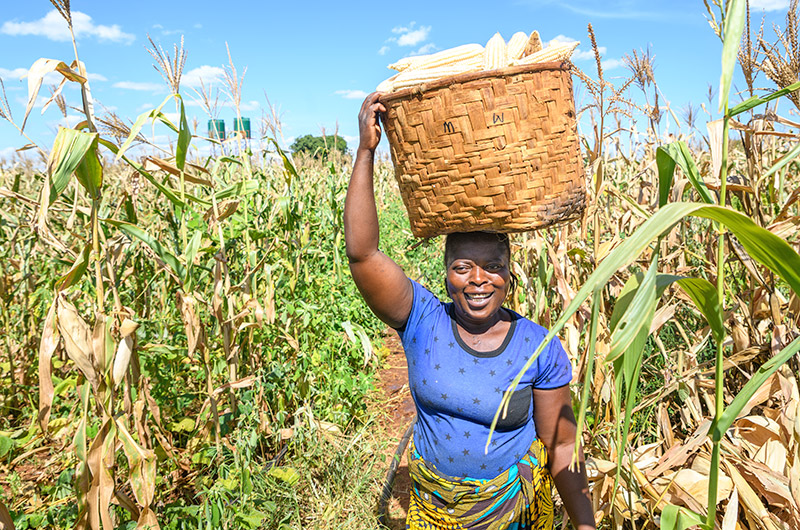
The PREO Impact Report 2022/23, explores the latest impact insights from the PREO programme, demonstrating the socio-economic benefits of investing in revenue and income-generating products and services in Africa. The report brings together programme level highlights on the breadth of PREO’s impact across companies, regions and sectors, and dives in to detailed examples from a range of PREO-funded enterprises – demonstrating the impact of PREO support on business model viability, knowledge building, and attracting scale-up capital, as well as the wider impact of this work on end users, communities, and local economies.
Read The Report...
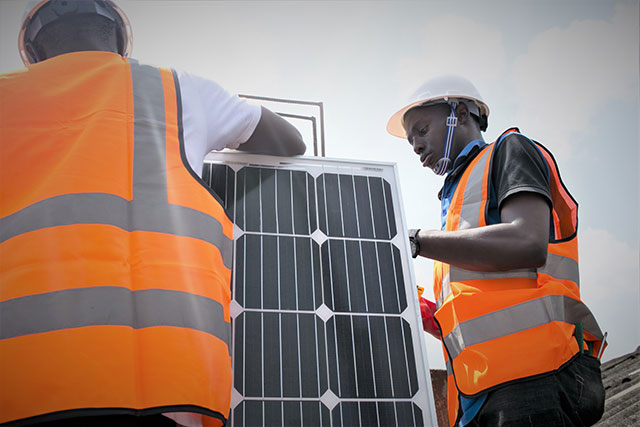
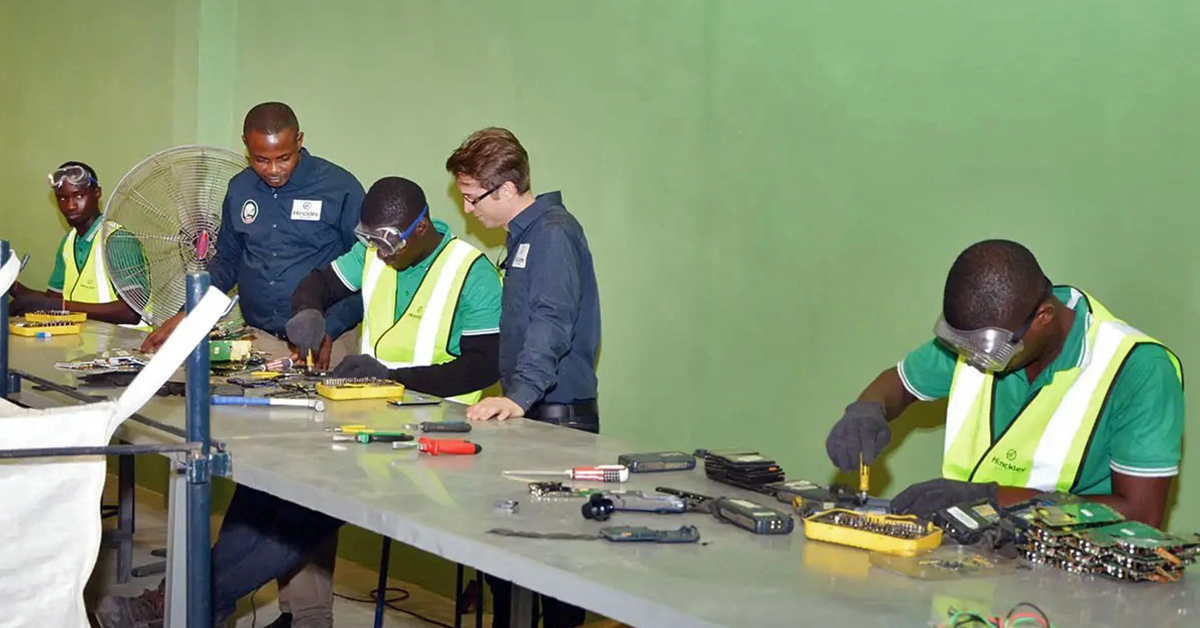
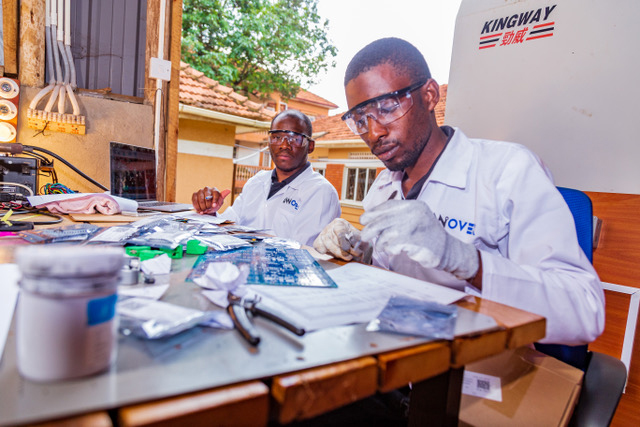
This recent report from PREO, ‘Made in Africa: Impact of local manufacturing on profits, people and products. Insights from the off-grid energy sector in sub-Saharan Africa’, analyses the opportunity to capture the local ‘share of value’ while accelerating energy access in the off-grid sector. The report states that ‘local manufacturing and assembly can increase profitability by 10% to 40% by avoiding import duties, retaining supplier margins and reducing shipping costs’.
Read The Report...
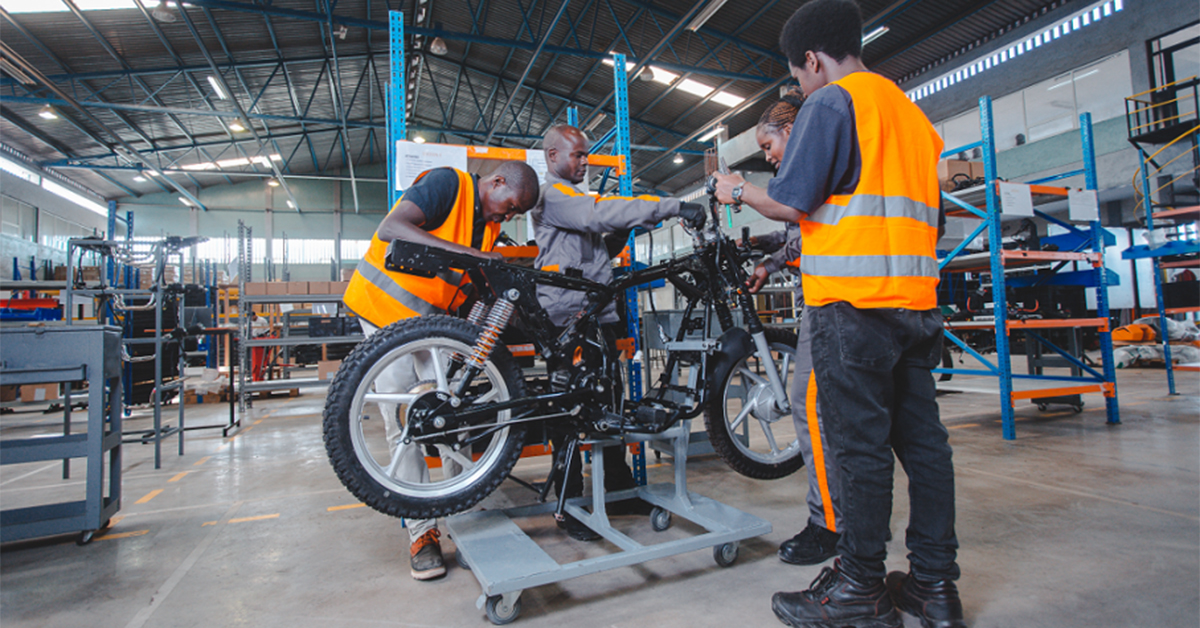
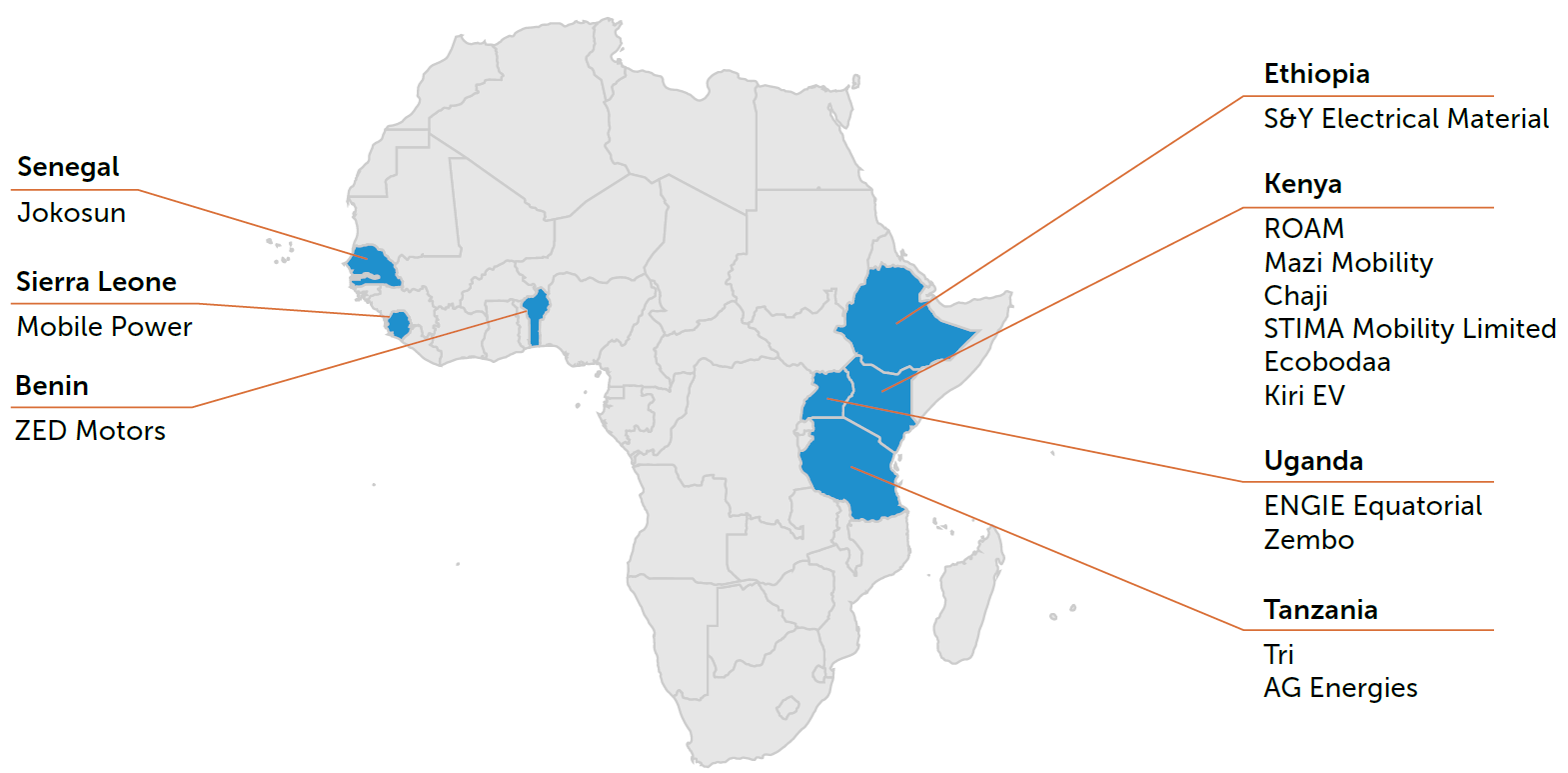
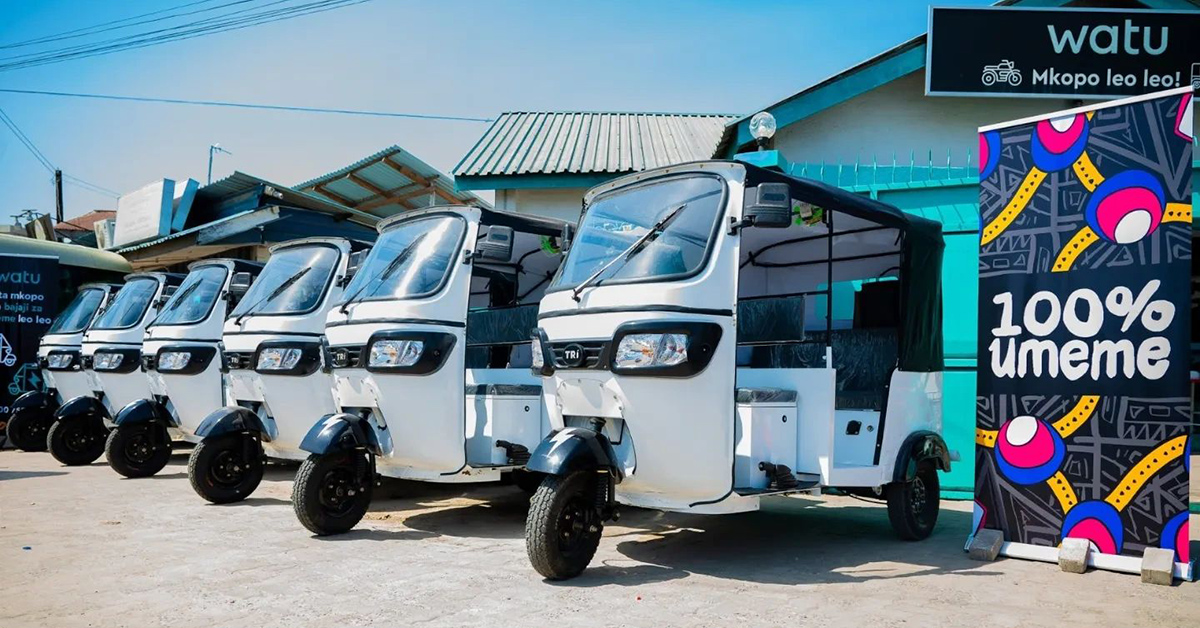
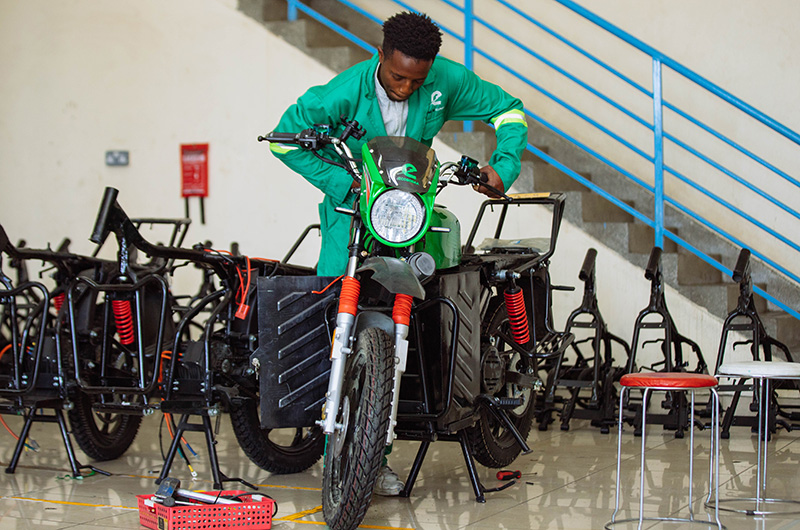
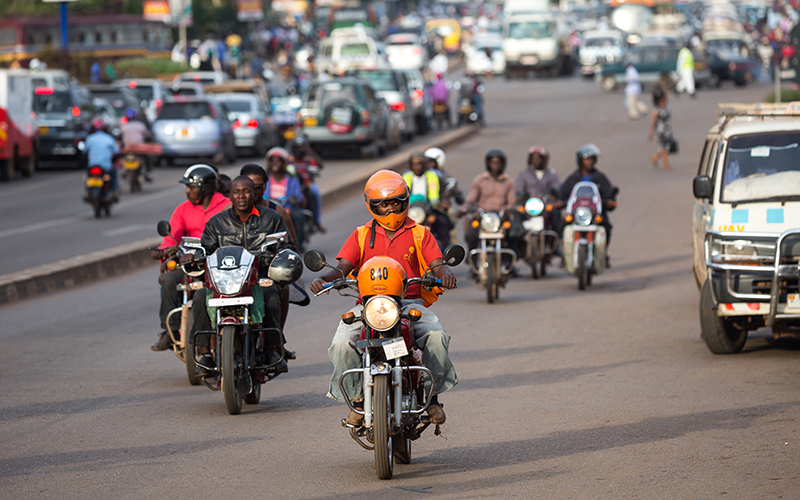
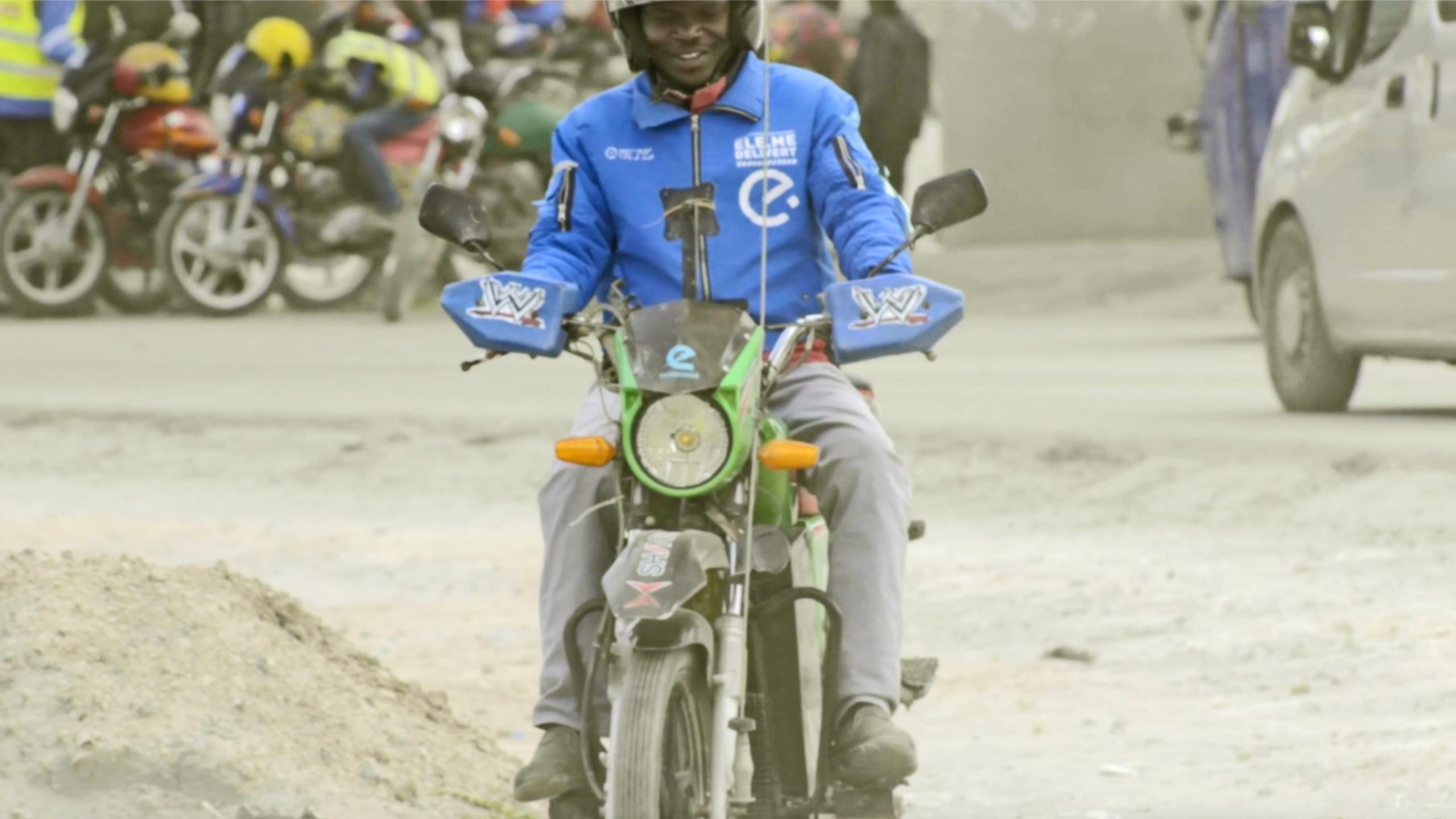
The latest report from PREO, ‘Charging Ahead – Accelerating e-mobility in Africa’ outlines the market opportunity for e-motorcycles to become a driving force in the African e-mobility sector and examines how three PREO-supported companies – Roam (previously Opibus), Mobile Power and Zembo – are successfully addressing each of these barriers, and together are providing the solutions needed to support an enabling ecosystem to accelerate progress across the entire e-mobility sector.
Read The Report...
New analysis examining the scale of investment opportunity in the productive use of energy (PUE)
PUE market opportunity in rural sub-Saharan Africa (SSA) is estimated to be $864 billion over the next ten years, $86 billion per year. The report highlights the economic and social benefits of
Read The Report...
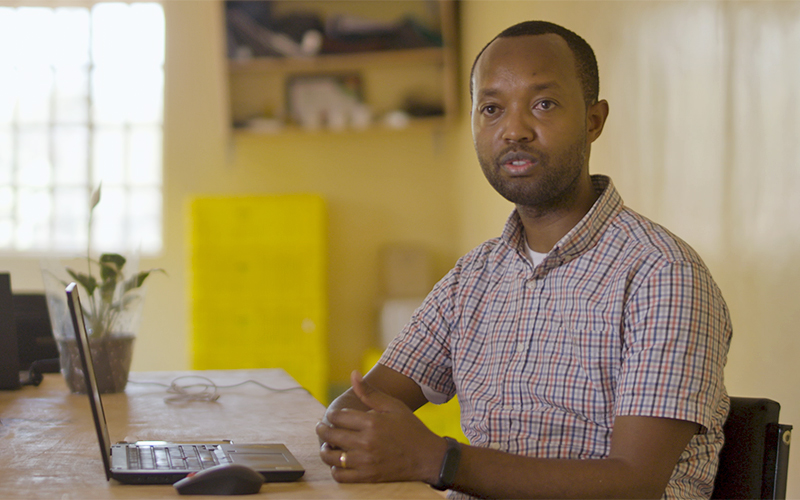
The latest results from the PREO programme: demonstrating the business and impact case for investment in the productive use of energy (PUE)
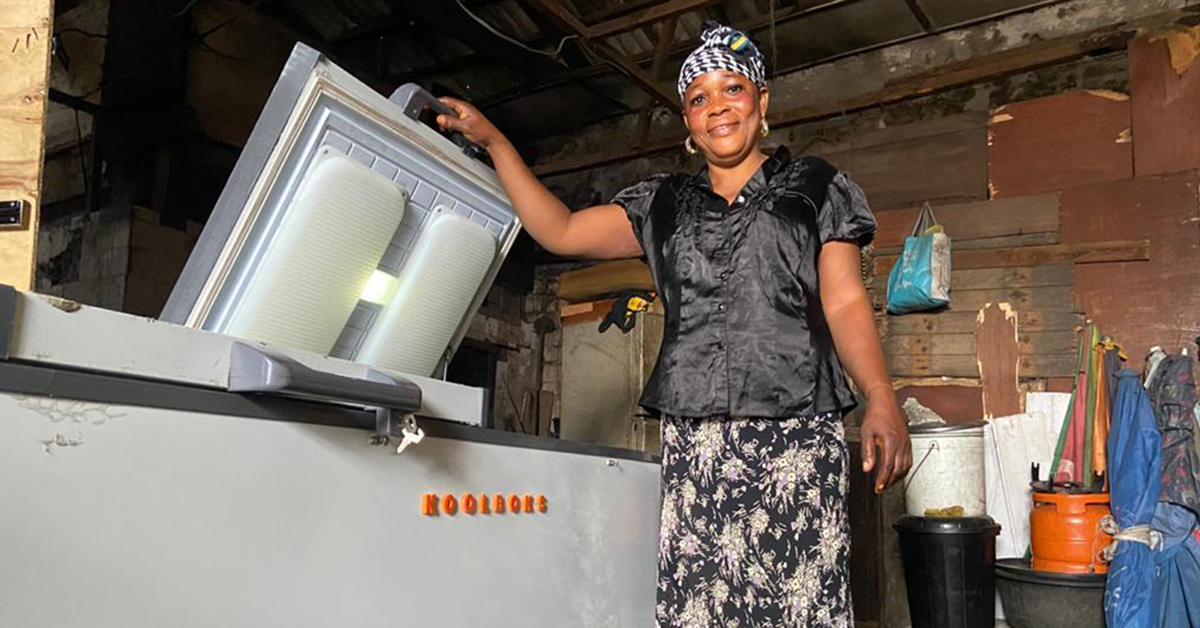
Stimulating demand for off-grid renewable energy through PUE applications is a critical way to support sustainable business opportunities, grow local economies and reduce reliance on fossil fuels.
Read The Report...
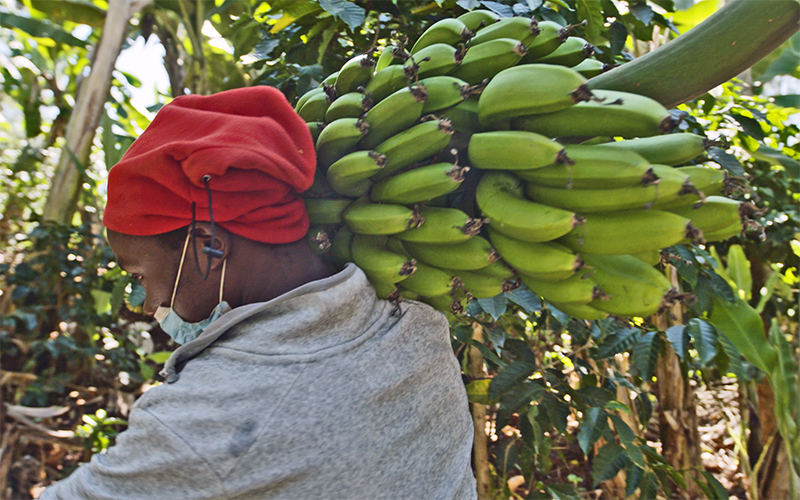
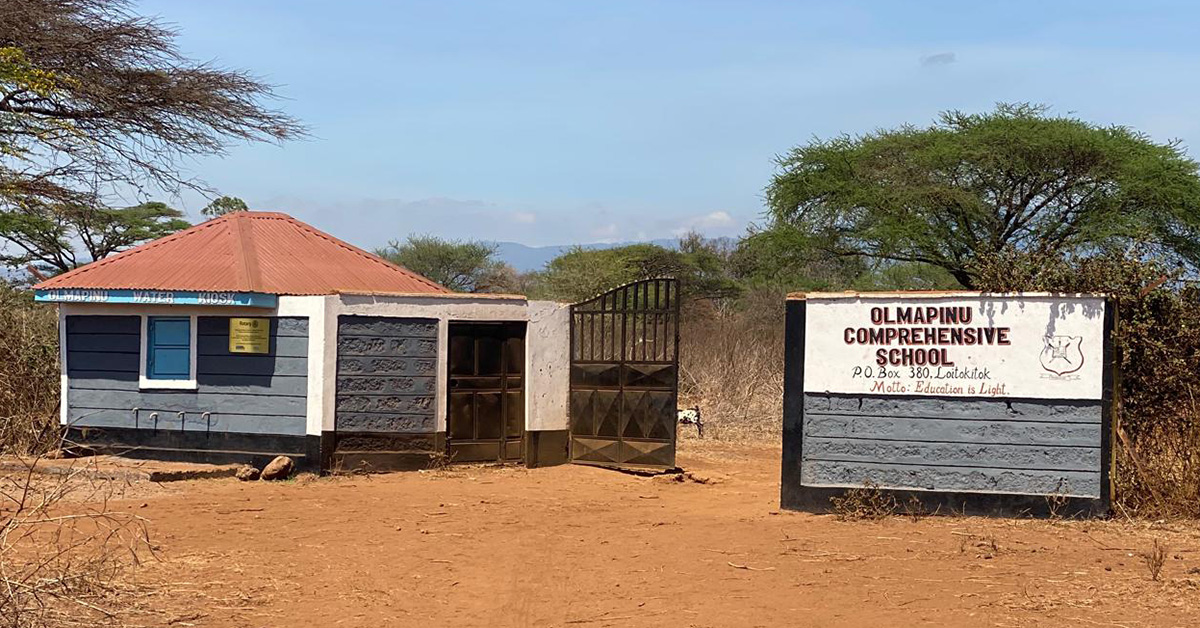
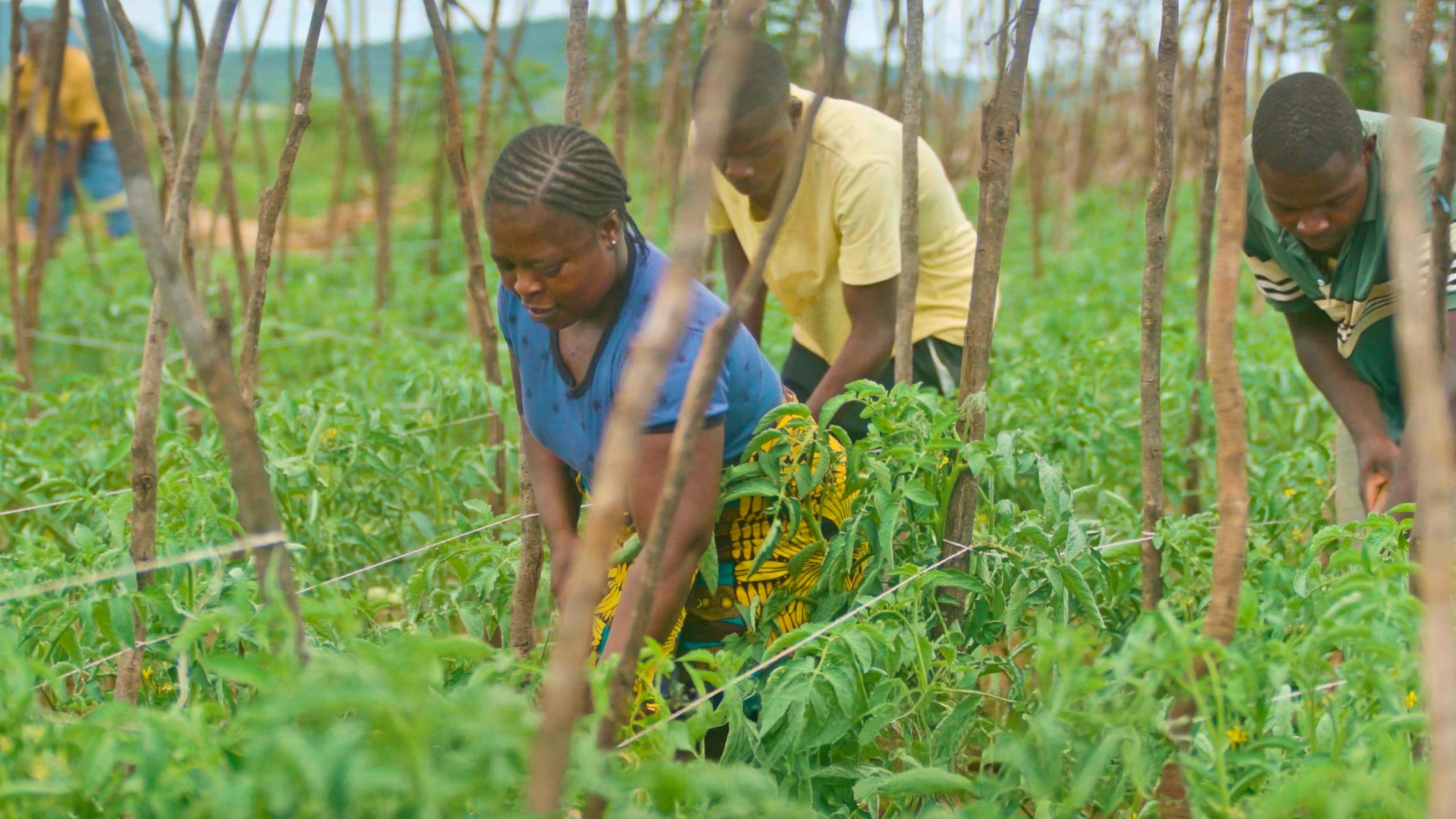
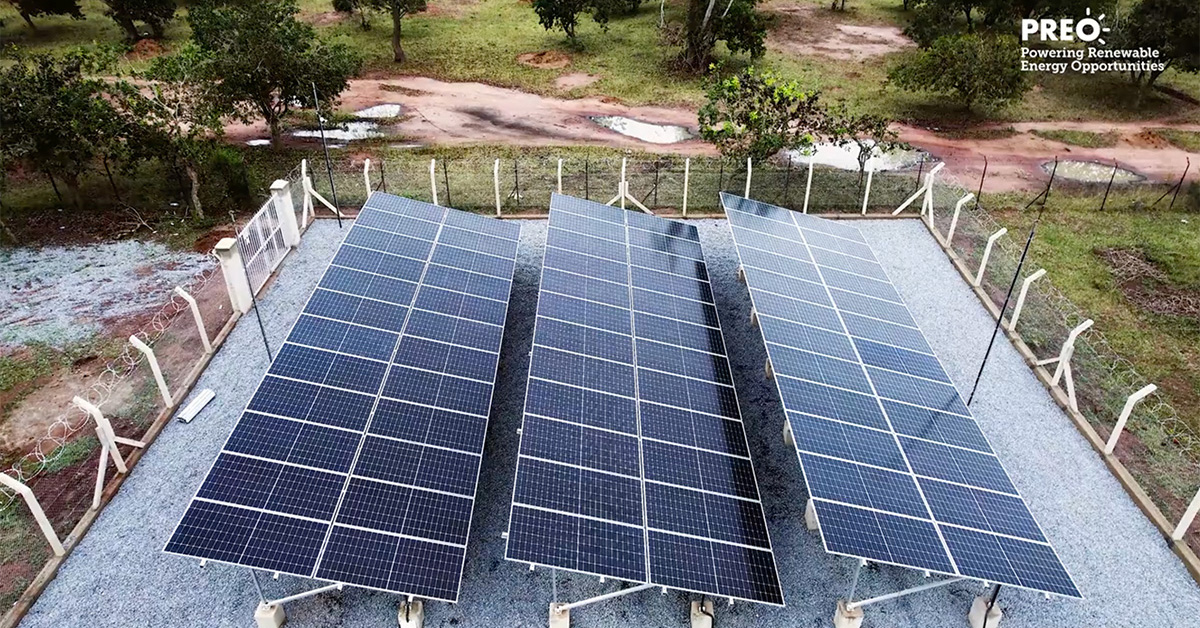
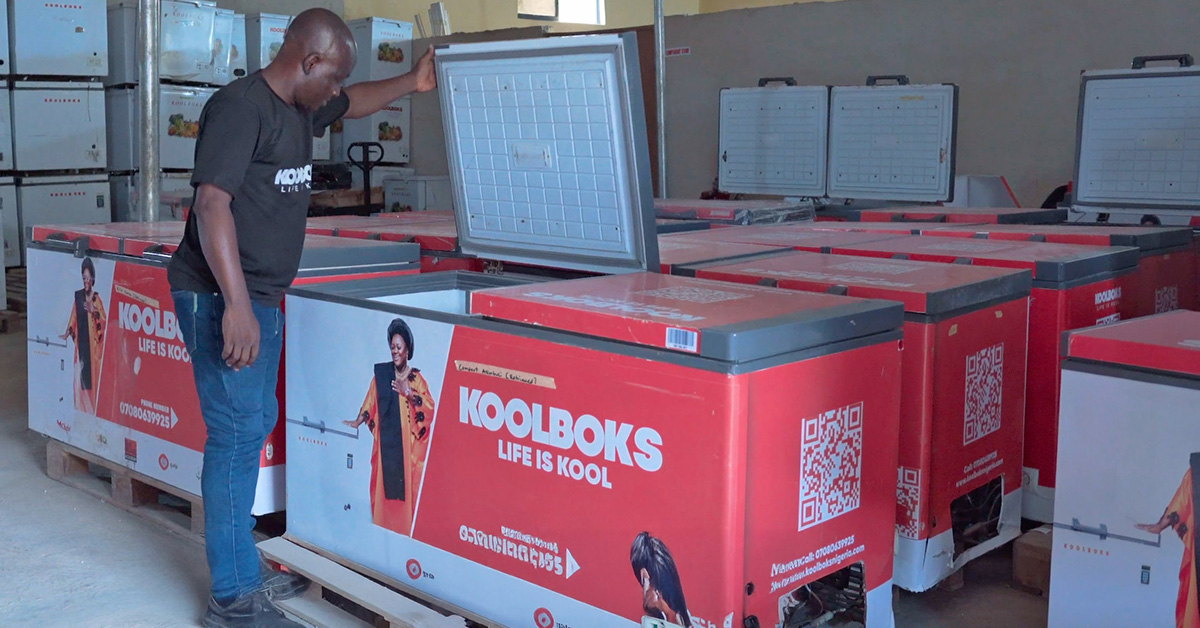
Lacking reliable access to electricity, one in four healthcare facilities in sub-Saharan Africa struggle to provide quality care, resulting in poor outcomes like high infant and maternal mortality.
Discover how Afya Research Africa (ARA) is unlocking productive use of energy in healthcare by spearheading decentralised solar and information management systems in medical facilities across Kenya.
Read The Report...

From PREO’s experience working with productive use enterprises across Africa and the Pacific Islands, approaches tailored to local context and embedded in trusted local networks have proven more promising than those that seek to implement predetermined models. A pattern consistently emerges: technology enables impact, but social capital and consistent human presence on the ground help make it durable.
Read The Report...
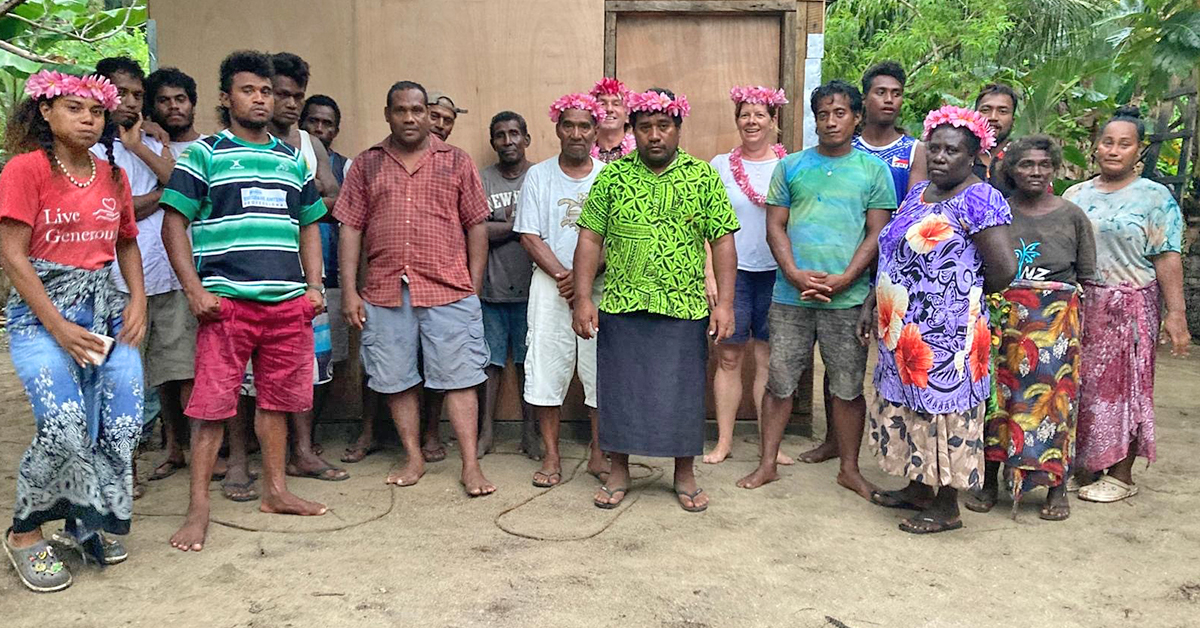
Written by Rhiannon Turner, PREO Programme Manager. Sunshine Pacific is a farm supplying Frankie’s, one of Samoa’s largest supermarket groups. They produce eggs and hydroponic crops, using automation to help address a chronic labour shortage. A PREO grant has supported solarisation of the operation, cutting electricity costs and proving a model that other local farmers might follow.
Read The Report...
Written by Rhiannon Turner, PREO Programme Manager. Motu Juice engineer Rick Dalton and local entrepreneur Calvin Schumaker, together, with support from a PREO grant, have built a ‘factory in a box’: processing equipment housed in an air-conditioned shipping container, producing 500 to 600 pouches of locally-sourced coconut milk per day. These are sterilised and sealed and can be safely stored without cooling.
Read The Report...

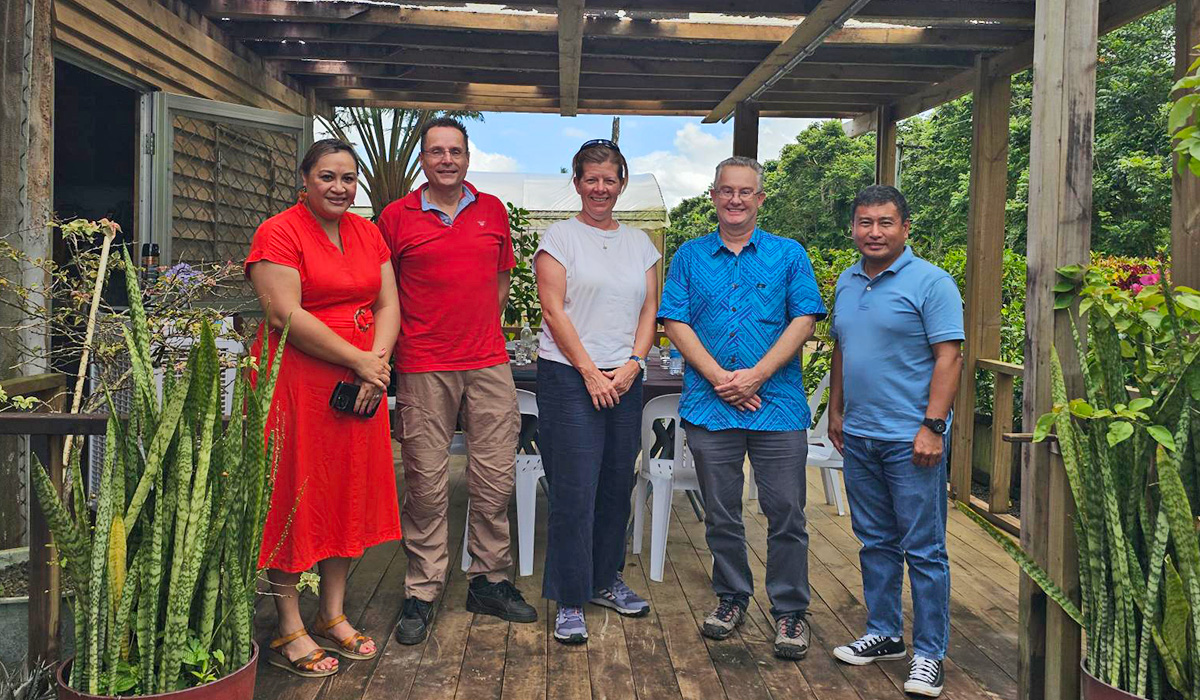
Written by Rhiannon Turner, PREO Programme Manager. Late last year, I travelled across the Pacific Islands to visit several PREO-funded projects supported through grants since early 2025. While some challenges echo our work in sub-Saharan Africa, the Pacific Islands amplifies them: populations spread across vast ocean distances, inter-island travel measured in days rather than hours, and communities where relationships and cultural practice shape how – and whether – projects succeed. I wanted to understand what it truly takes to deliver meaningful lasting impact here.
Read The Report...

Across sub-Saharan Africa, renewable energy is moving steadily from household use into the productive core of local economies. Since 2019, the Powering Renewable Energy Opportunities (PREO) programme has both tracked and catalysed this transition, supporting clean energy enterprises that enable value creation across food systems, small businesses, logistics and digital services.
Read The Report...